How My Blog Was Monetised With Just Three Posts.


For many new bloggers, monetization is presented as a distant milestone, something achievable only after publishing dozens of posts and months of steady traffic. My experience challenges that assumption. After migrating my site from Blogger to Ghost, my blog was approved for monetization with just three published articles.
This article explains what changed, what likely mattered most to reviewers, and what this says about blogging economics and strategy in 2026.
Starting on Blogger: Activity Without Approval
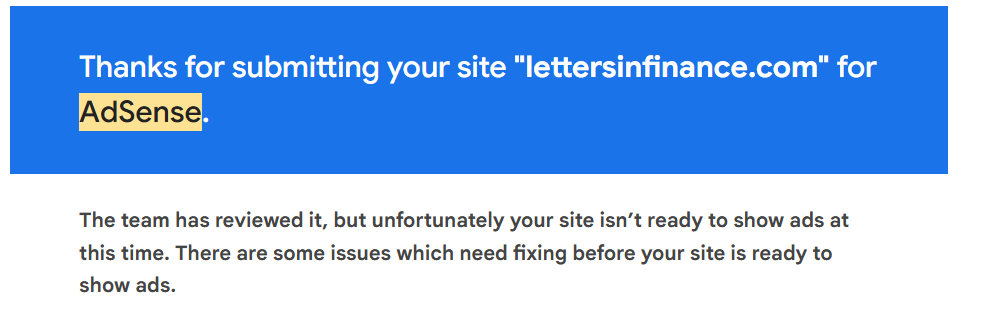
I first applied for monetization while publishing on Blogger. At the time, the site had 16 published posts, a custom domain, and a free theme. Despite repeated applications, approval never came. Like many applicants, I received generic rejection messages that offered little guidance. The prevailing advice online, “publish more content,” did not resolve the issue.
In hindsight, the problem was not volume. It was structure, clarity, and technical readiness.
A Clean Break: Moving to Ghost
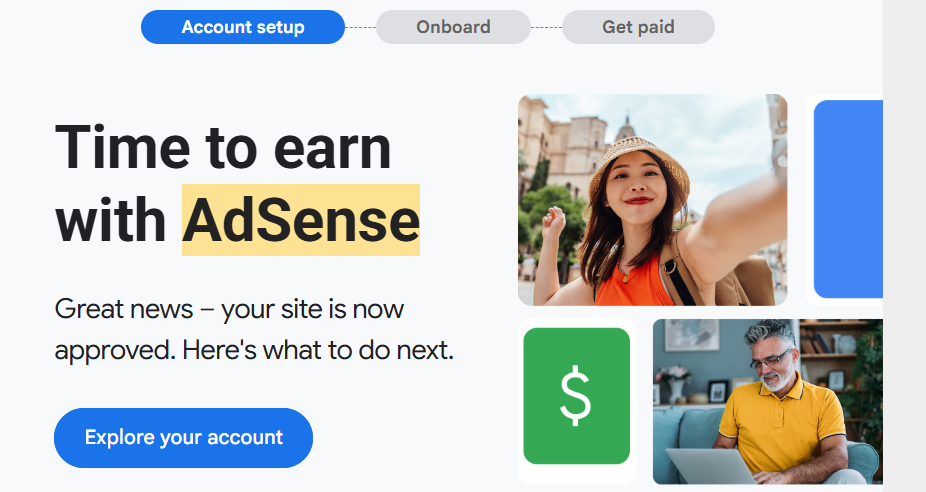
When I migrated from Blogger to Ghost, I chose to start from scratch rather than import existing content. With only three new posts published, I submitted a fresh monetization application, and this time, it was approved on the first attempt.
Several changes stood out.
First, I retained my custom domain, which I had previously purchased through GoDaddy. While a custom domain is not always a formal requirement for monetization, it adds credibility and consistency, particularly for advertisers.
Second, I upgraded my Ghost plan. The entry-level plan did not allow the injection of AdSense code, making approval technically impossible. To proceed, I moved to the Publisher plan at $35 per month, which enabled full customization and advertising integration.
Pages That Signal Credibility
Before applying, I created seven core pages that are standard on monetized blogs in my niche:
- Start Here
- Privacy Policy
- Disclosures
- Terms and Conditions
- Contact
- Articles
- Newsletter
These pages were easy to find, clearly linked, and aligned with common industry layouts. I also ensured there were no broken links and used a simple, uncluttered theme. The site was designed to be readable and transparent rather than visually complex.
With these elements in place, I submitted the application without expecting approval, given the limited content. The approval confirmed that quality, structure, and compliance matter more than post count.
The Real Cost of Monetisation
Running this blog requires a monthly commitment of $35 for hosting, alongside domain costs paid separately. Based on current expenses, the annual cost is projected to exceed $400 when hosting and domain fees are combined. So far, the blog is operating at a loss.
This is a common reality for new publishers: monetization approval does not equal immediate income. It is an investment with uncertain returns as you can see below my current earnings.

Blogging in the Age of AI
Publishing today is also shaped by artificial intelligence. Writing blogs has become more demanding as creators are pushed to offer personal insights that AI tools cannot easily replicate. Search is no longer driven by traditional SEO alone but also by AEO (Answer Engine Optimization), where AI systems recommend articles and videos as part of search results.
That shift increases the value of original, local, and transparent content. While AI can summarize information, many readers still seek perspectives from identifiable human voices. That demand leaves room for bloggers who offer lived experience rather than generic answers.
Why Share This Experience?
I share this not to suggest that monetizing a blog is easy, but to clarify what actually matters. The costs of maintaining a blog are significant, and approval is not guaranteed. Yet there remains a need for credible, well-structured content that both readers and AI systems can trust.
For those considering applying for monetization, focus less on publishing volume and more on building a site that is technically sound, transparent, and reader-focused. That foundation, in my experience, made all the difference.
The economics of blogging remain uncertain; I will review my experience after 3 months of consistent writing and learning more about AEO. If you are already monetized, what has your experience been like? If you are starting out, share any issues in the comments that I might have left out so I can share further if there is anything at all that can help get your site approved as well.